Team Node
KIT
MARTIN SADRIC
DOMINIK DUDECK
ALLESANDRO VALISI
BRIDGING AI AND BIOLOGY FOR EUROPEAN BIOTECH SOVEREIGNTY
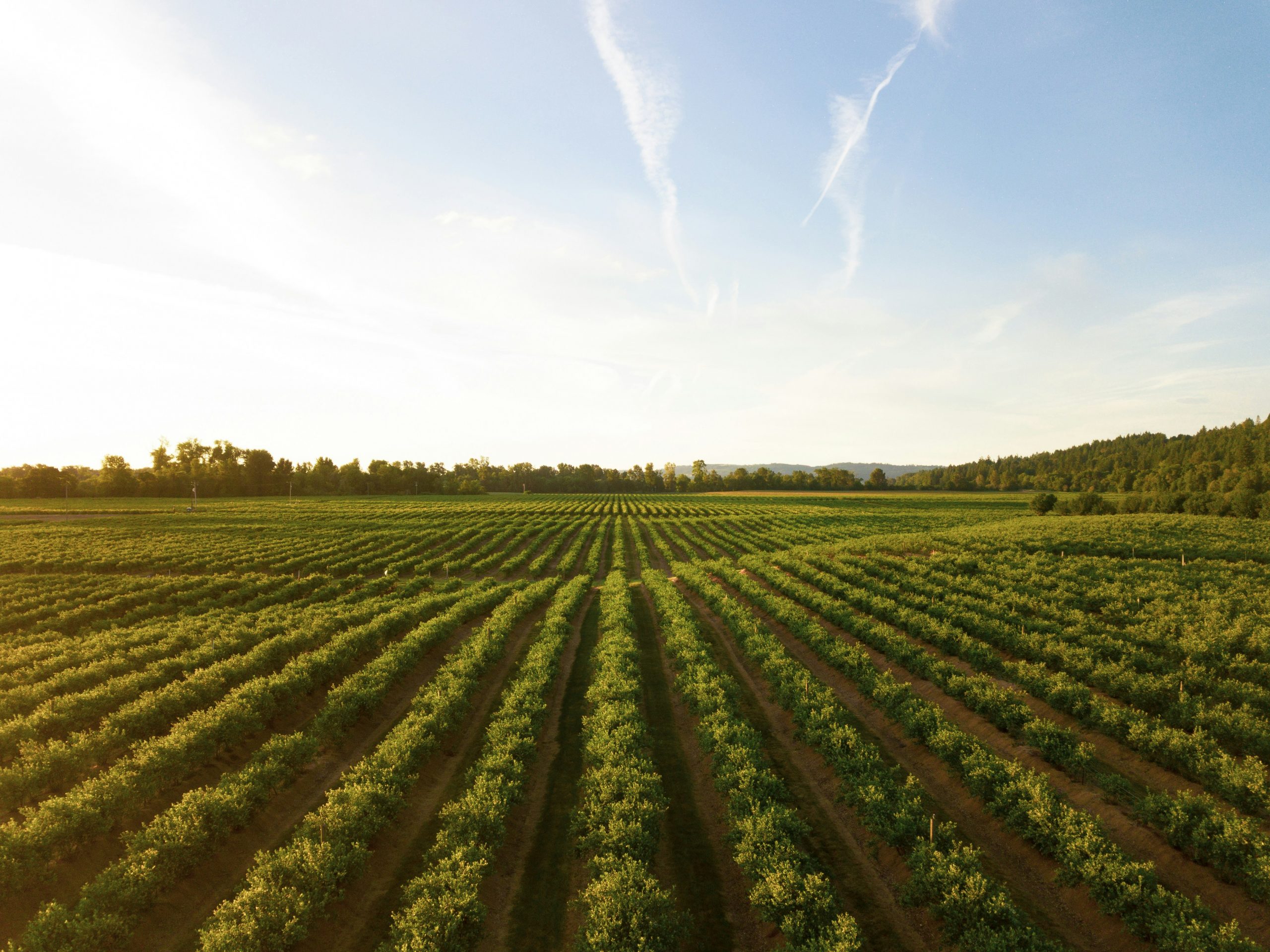
We combine molecular biology and computer science to explore data-driven AI and non-AI approaches for advancing biotechnology in Europe. Climate change is placing increasing pressure on agricultural systems, particularly in plant breeding. Rapidly shifting environmental conditions demand faster adaptation of crops, yet traditional breeding methods are often too slow to keep pace. This creates a growing gap between environmental change and the development of resilient plant varieties, ultimately threatening food production.
Modern genome editing technologies such as CRISPR/Cas offer powerful tools to accelerate the process of plant breeding. However, their application in Europe remains constrained by regulatory frameworks and complex intellectual property landscapes, limiting innovation and technological sovereignty.
During the HAFIS program, our interdisciplinary team developed an approach to address these challenges. We worked towards an AI-powered pipeline to generate novel CRISPR/Cas nucleases, with explicit consideration of intellectual property constraints. By enabling the design of novel nucleases, this pipeline aims to expand the available toolkit while reducing dependency on existing patented systems.
With NEXUS we are developing a new approach to make early-stage drug discovery more accessible, affordable, and efficient. We are aiming the commercialization of a screening-as-a-service platform based on Droplet Microarray (DMA) technology, which allows biochemical screening experiments to be performed on an extremely small scale. By miniaturizing the testing process, we can significantly reduce the amount of reagents, solvents, and laboratory resources required for screening potential drug candidates.
NODE is also part of the ENZo (Enabling Net Zero) real-world project. The biology directly supports reduced agricultural emissions through resilient crops, while the AI novelty metric provides a generalizable framework across domains such as biofuel enzyme design and carbon capture, making it broadly applicable to the net zero transition.